
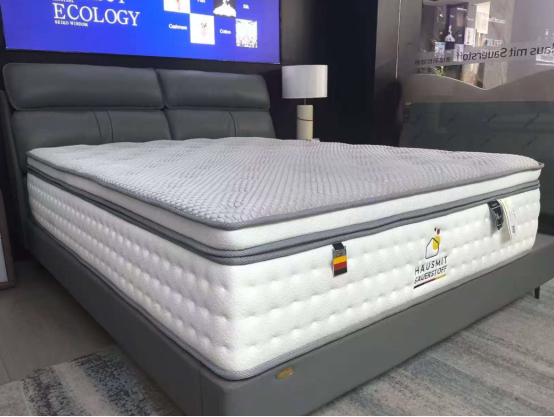
How to Choose the Right Mattress for You
Selecting a mattress depends on your sleep habits, body type, and comfort preferences—there’s no “one-size-fits-all” option, but focusing on key factors ensures you find the best fit.
1. Pick the Right Mattress Type
Different materials offer distinct support and feel. Choose based on your needs for firmness, motion isolation, and durability.
- Memory Foam: Conforms to your body to relieve pressure points (great for side sleepers). It absorbs motion well, making it ideal for couples.
- Innerspring: Uses metal coils for bounce and airflow. It’s often more affordable but may have less motion isolation than memory foam.
- Hybrid: Combines memory foam (or latex) with innerspring coils. Balances support, bounce, and pressure relief—suits most sleep positions.
- Latex: Made from natural or synthetic rubber. It’s responsive, breathable, and durable, with a firmer yet bouncy feel (good for back sleepers).
2. Determine Your Ideal Firmness Level
Firmness directly impacts spinal alignment and comfort. It’s not about “soft vs. hard”—it’s about what supports your body.
- Soft (1–3/10): Best for lightweight side sleepers (under 130 lbs). It cushions shoulders and hips without straining the spine.
- Medium (4–6/10): The most versatile option. Works for back sleepers, average-weight side sleepers (130–230 lbs), and combination sleepers (who switch positions).
- Firm (7–10/10): Ideal for stomach sleepers and heavyweight individuals (over 230 lbs). Prevents sinking to keep the spine straight.
3. Consider Your Sleep Position
Your primary sleep position dictates the support your body needs.
- Side Sleepers: Need pressure relief for shoulders and hips. Opt for medium-soft to medium memory foam or hybrid mattresses.
- Back Sleepers: Require balanced support for the lower back. Medium to medium-firm mattresses (hybrid or latex) work best.
- Stomach Sleepers: Need firm support to avoid lower back strain. Choose firm innerspring or latex mattresses.
- Combination Sleepers: Need a responsive mattress that adapts to position changes. Medium hybrid or latex mattresses are ideal.
4. Check Key Practical Features
- Size: Ensure the mattress fits your bed frame and leaves enough space for you (and a partner, if applicable). Common sizes include Twin, Full, Queen, King, and California King.
- Trial Period: Look for brands offering 30–100 night trials. This lets you test the mattress at home—critical since comfort can take weeks to assess.
- Warranty: A good warranty (5–10 years) covers defects like sagging (over 1 inch). Avoid mattresses with warranties under 5 years.
- Budget: Mattresses range from $300 (basic innerspring) to $3,000+ (luxury latex/hybrid). Aim for $800–$1,500 for a quality, long-lasting option.