
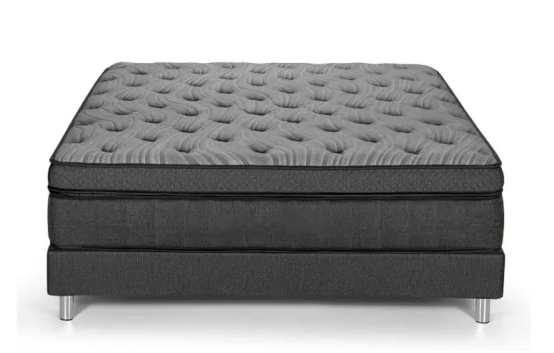
Hybrid Mattress
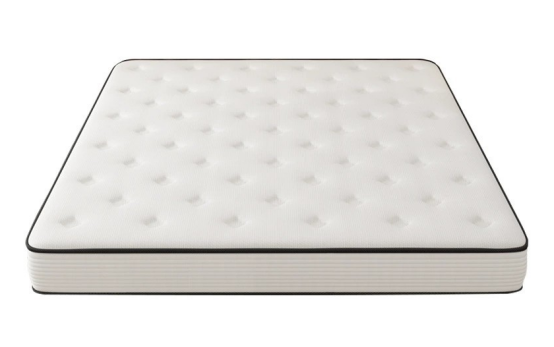
Foam Mattress
Hybrid mattresses and foam mattresses differ in several aspects, such as their construction, support and comfort levels, temperature regulation, motion isolation, and price. The following is a detailed comparison:
- Construction and Materials
- Hybrid Mattresses: These mattresses combine foam layers with an innerspring coil system. The coil layer, usually made up of individually pocketed coils, forms the foundation, providing support, responsiveness, and breathability. On top of the coils, there are several layers of foam, such as memory foam, latex, or gel – infused foam, which serve as comfort layers to provide cushioning and contouring.
- Foam Mattresses: Made entirely of foam layers, foam mattresses typically consist of a comfort layer for contouring and a support layer for stability. Common types of foam used include memory foam, which conforms to the body’s shape, polyfoam, which is often used as the base layer for its firmness and resilience, and latex foam, which offers a more responsive and bouncy feel.
- Support and Comfort
- Hybrid Mattresses: The innerspring coil system in hybrid mattresses provides strong support, making them suitable for back and stomach sleepers or those with a heavier body type. The foam comfort layers on top then offer cushioning and pressure relief. Overall, hybrid mattresses give a feeling of sleeping on top of the mattress, with a familiar bounce.
- Foam Mattresses: Foam mattresses excel at pressure relief, as they mold to the body’s shape, evenly distributing weight and reducing pressure points. This makes them especially great for side sleepers and those with joint pain. However, some sleepers may find that foam mattresses don’t offer enough support for certain sleeping positions or body types, as they can have a more sinking feeling.
- Temperature Regulation
- Hybrid Mattresses: The innerspring coil system in hybrid mattresses allows for better airflow, which helps with temperature regulation and keeps the mattress cooler. Additionally, some hybrid mattresses may have cooling foam layers or other materials designed to further enhance heat dissipation.
- Foam Mattresses: Traditional memory foam mattresses can trap heat, causing sleepers to feel hot and uncomfortable. However, many foam mattresses now come with cooling gel layers or other heat – regulating materials to address this issue.
- Motion Isolation
- Hybrid Mattresses: Individually wrapped coils in hybrid mattresses can absorb movement, reducing motion transfer. This is beneficial for light sleepers who share a bed with a partner or pet, as they are less likely to be disturbed by their movements.
- Foam Mattresses: Foam mattresses may have more motion transfer due to the lack of bounce and the sinking feeling, although some high – quality foam mattresses now come with motion isolation technology.
- Price
- Hybrid Mattresses: Generally, hybrid mattresses are more expensive than foam mattresses. This is because they use a combination of materials, including the innerspring coil system, which adds to the production cost.
- Foam Mattresses: Foam mattresses, especially those made primarily of polyfoam, are often more affordable. However, high – end foam mattresses, such as those made of latex or with advanced features, can also be relatively expensive.